Good food, chosen every morning
We buy at Flemington markets before dawn, take only what looks right, and have it on the shelf by seven. Order before 11am and it reaches your door the same afternoon. No queue, no soft capsicum, and no guessing about what is actually in season this week.
Free delivery across the inner east on orders over $80.
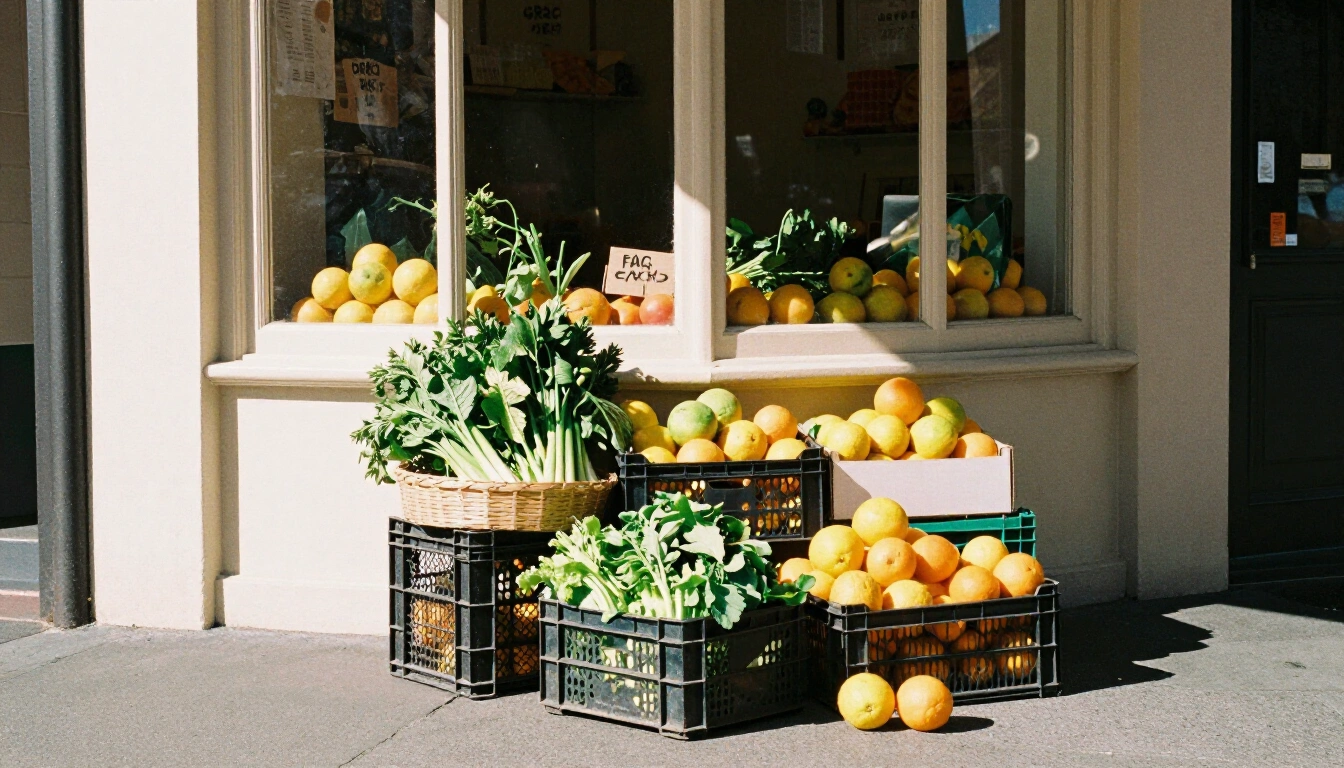
Four reasons people walk past the supermarket
Bought at dawn, not last week
Our buyer is at Flemington five mornings a week. Produce that leaves the market at 5am is on Crown Street by seven, which is usually two or three days ahead of a supermarket shelf.
Priced without the long chain
We buy direct from growers where we can, so there is one margin instead of four. Staples stay close to supermarket prices. Speciality lines cost more, and we will tell you exactly why.
Delivered the same afternoon
Orders placed before 11am are packed by lunch and dropped between 2pm and 6pm across Surry Hills, Redfern, Darlinghurst, Paddington and Chippendale, five days a week.
Staff who cook what they sell
Ask anyone behind the counter how to use kohlrabi, or which olive oil suits a dressing. They cook with this stock at home, so the answer is not read off the back of a label.
Most people come in for one of these and leave with all three
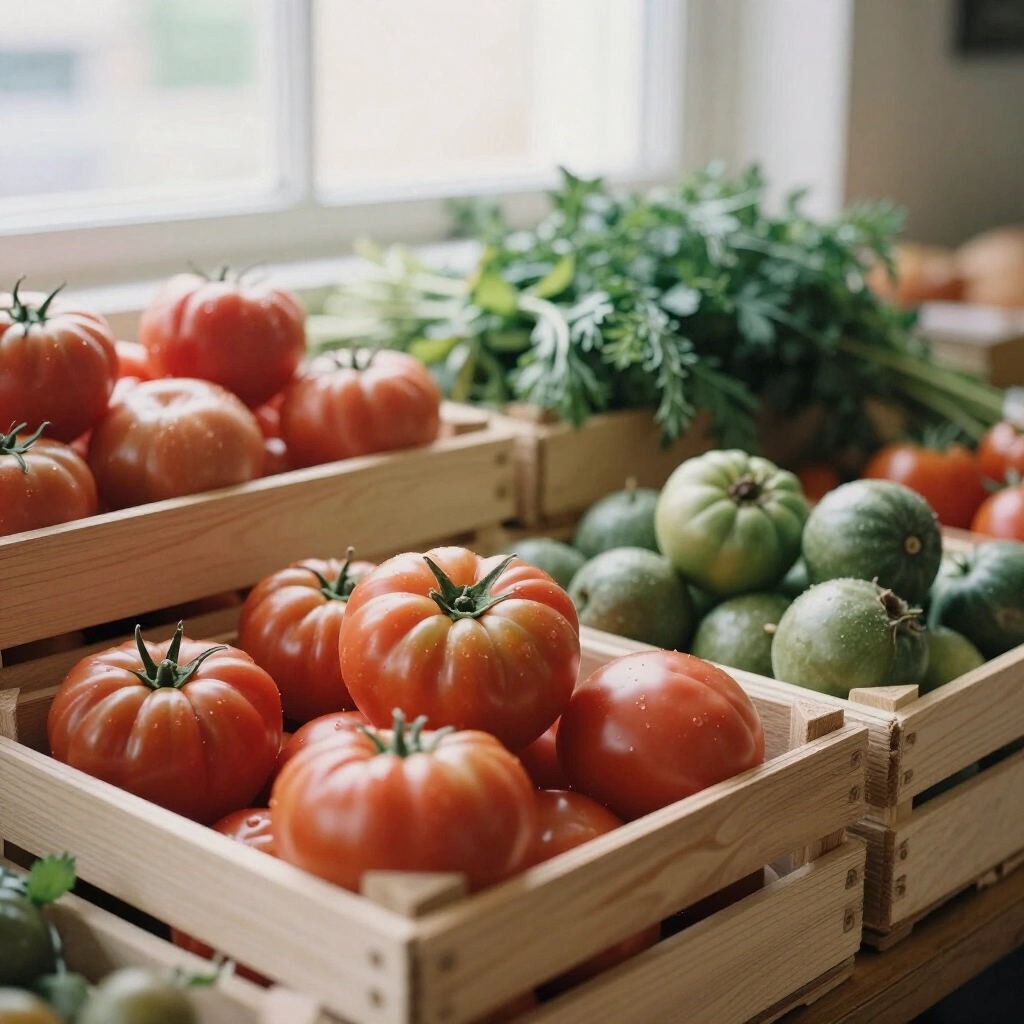
Fruit and Veg
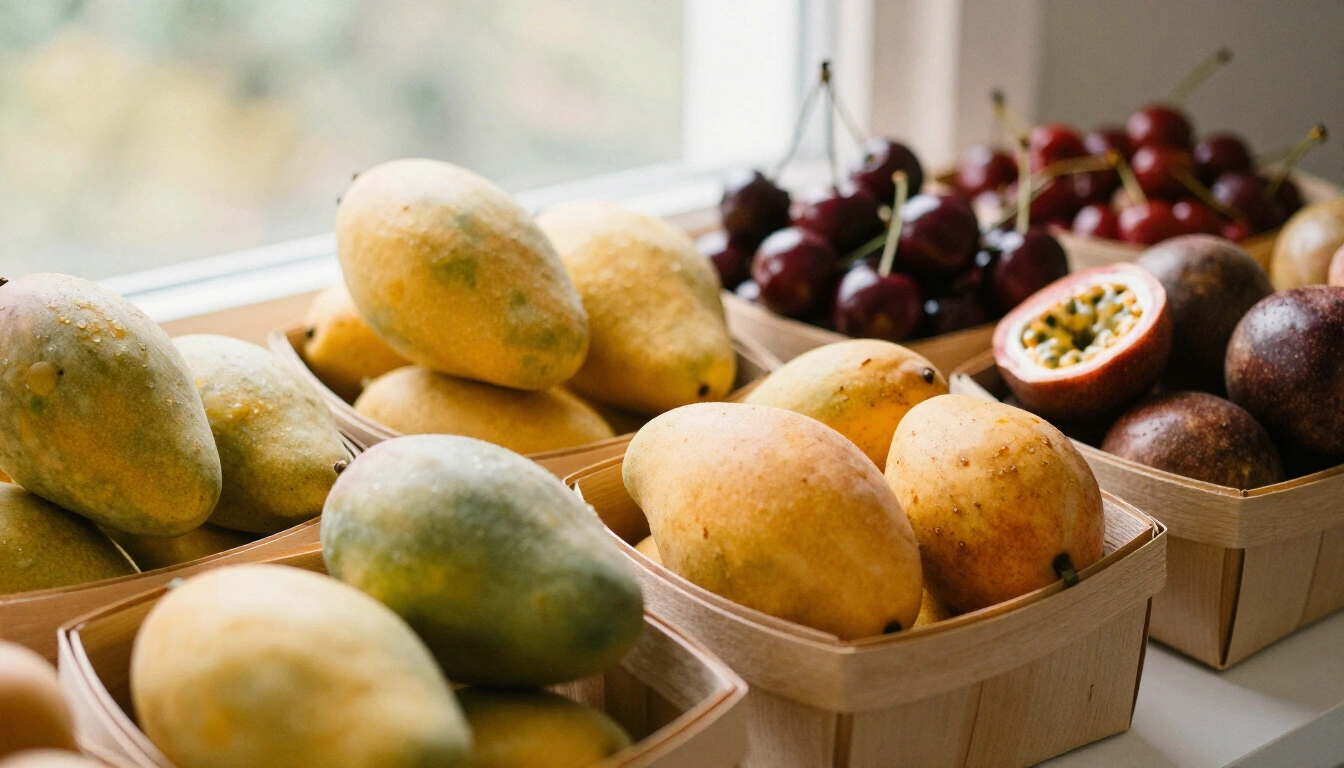
Twelve crates change every morning. Stone fruit and mangoes through summer, brassicas and citrus through winter, herbs and salad leaves all year. Anything looking tired by Thursday gets marked down rather than sold at full price, and the markdown shelf is small on purpose.
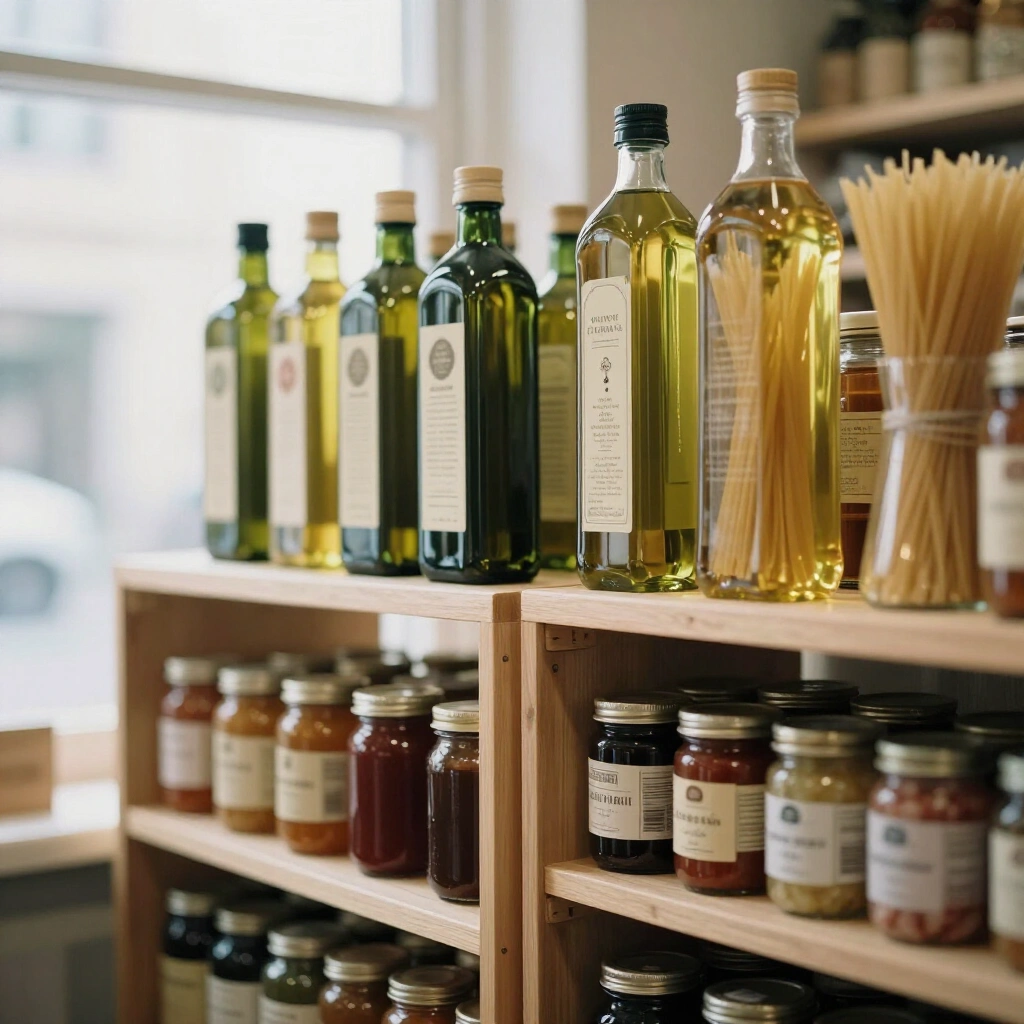
Pantry and Deli
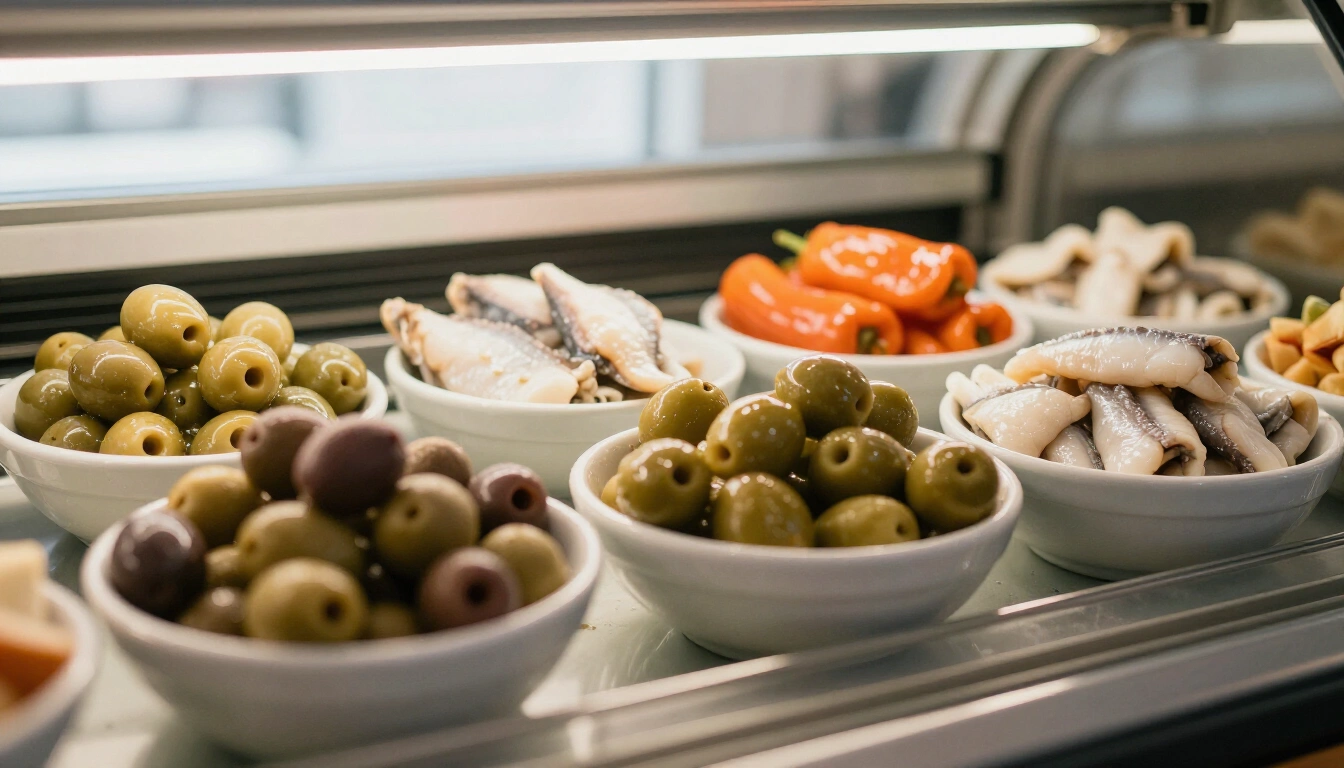
Olive oil with a harvest date, vinegar, dried pasta, tinned fish, about forty cheeses cut to order and cured meats sliced while you wait. Roughly 300 lines come from Australian makers. The rest come from importers we have bought from for years.
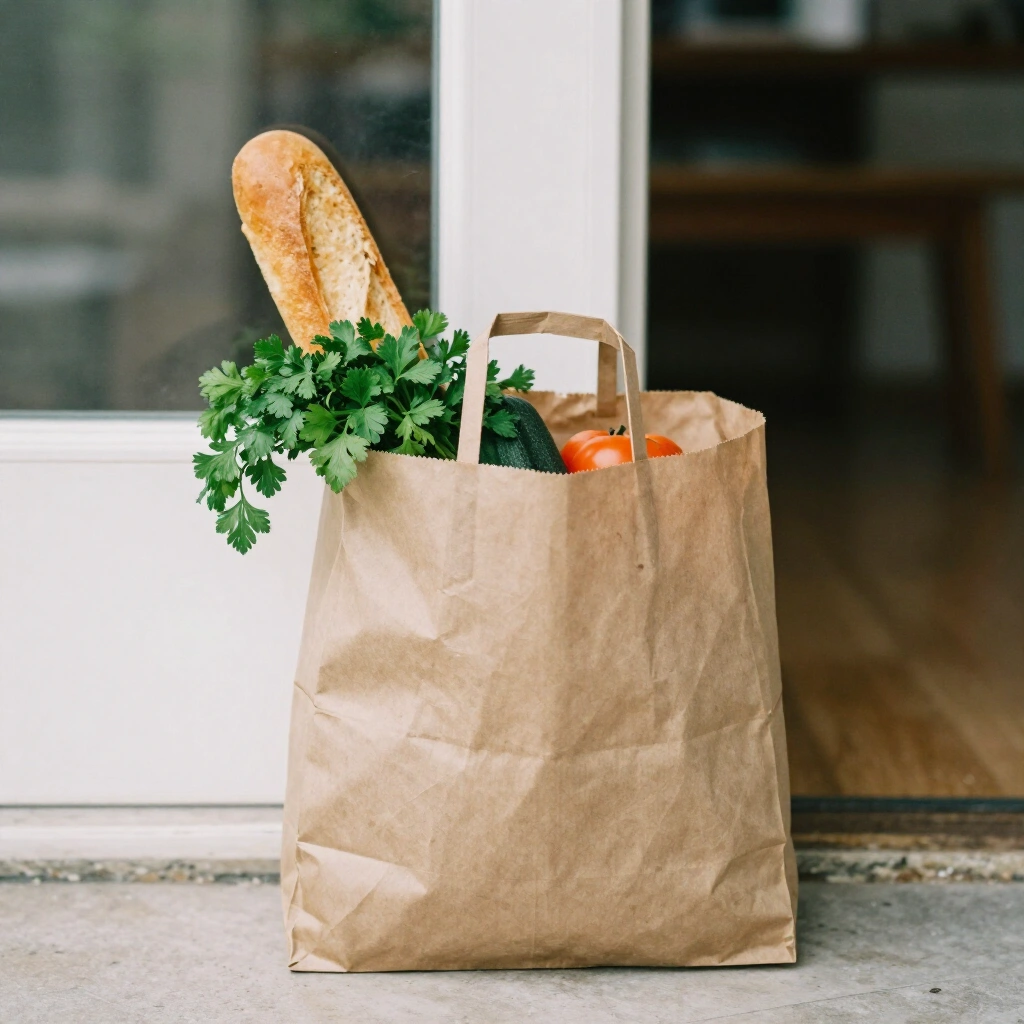
Delivery and Pickup
Order online before 11am for same day delivery, or collect from the Crown Street counter any time after 3pm. Both run five days a week, both are free above $80, and both are packed by the same people who chose the stock.
How fruit and vegetables actually reach Crown Street
Most produce sold in Australia passes through a central market before it reaches a shelf. In Sydney that market sits at Flemington, and it trades while the rest of the city is asleep. What happens in those few hours decides whether the beans you buy on Thursday are crisp or leathery.
We run the same route five mornings a week. It is not romantic. It is cold, loud, and involves standing around waiting for a grower to finish with somebody else. It is also the only way to see fruit before you commit to it, and seeing it matters more than any spec sheet or supplier portal.
The market run starts at three in the morning
Our buyer leaves Surry Hills at 3am and is on the floor by half past. The first hour goes to growers we already know: a stone fruit family from Young, a leaf grower out of Bilpin, a herb supplier who has sold to the same dozen shops since the nineties. Those relationships beat any price list, because a grower who trusts you will say plainly that today’s nectarines are not worth your money.
The second hour fills gaps. Bananas, avocados, anything needing volume and consistency. Prices here move by the day and sometimes by the hour. A wet week in Queensland shows up on Crown Street within about four days, and there is nothing anyone can do to stop it.
Everything is loaded by five, back at the shop by six, and on display before seven. Nothing sits in a cold room overnight waiting for space.
We buy less than we could sell
This is the part that surprises people. A shop our size could order thirty percent more and still clear most of it by discounting hard on Sunday. We choose not to.
Buying tight means the display looks thinner late on a Friday. It also means almost nothing is more than two days old and the markdown bin stays small rather than becoming a permanent fixture. Waste costs money twice, once when you buy it and again when you throw it out. A smaller order is cheaper than clever discounting.
The trade off is real, so here it is plainly. Arrive at six on a Saturday evening looking for one specific herb and there is a decent chance it has gone. We would rather that than sell you something we would not cook with at home.
What seasonality changes, and what it does not
Seasonality gets discussed as a moral position. It is mostly a practical one. Fruit picked close to ripe and moved a short distance tastes better, and it usually costs less because nobody paid for months of controlled atmosphere storage.
Some things are genuinely seasonal here. Stone fruit runs from late November to about March. Mandarins are a winter fruit, and anything sold as one in January came out of storage. Asparagus has a short spring window and is worth waiting for.
Other things are effectively year round because production moves up and down the coast. Tomatoes, capsicum, cucumbers and lettuce shift between Queensland, New South Wales and Victoria as the weather turns. The variety and the price change even when availability does not.
Then there is the category nobody mentions. Onions, pumpkin, potatoes and apples are harvested in a window and held for months. A March apple is a fresh apple. A September apple has been in a cool room since autumn. It is fine. It is not the same thing.
Getting produce to last the week at home
Half the freshness people lose happens after they get home. A few habits fix most of it.
Leafy greens want moisture and air. Wrap them loosely in a damp tea towel and keep them in the crisper instead of sealed in plastic, which traps ethylene and turns coriander to slime in two days.
Keep tomatoes, bananas, stone fruit and avocados out of the fridge until they ripen, then move them in to slow things down. Cold ruins the texture of a tomato permanently and there is no bringing it back.
Store onions and potatoes apart, and in the dark. Onions release moisture that makes potatoes sprout. Apples release ethylene that ripens everything nearby, which is handy when you want an avocado ready by Wednesday and a problem for the rest of the bowl.
Herbs behave like flowers. Trim the stems, stand them in a glass of water, cover them loosely, and they will last a week instead of three days.
None of this makes us cheaper than a supermarket on every line. On bulk staples like brown onions and carrots, the major chains buy at a scale we cannot match and we are usually a little dearer. Where we win is on anything picked in the last three days.
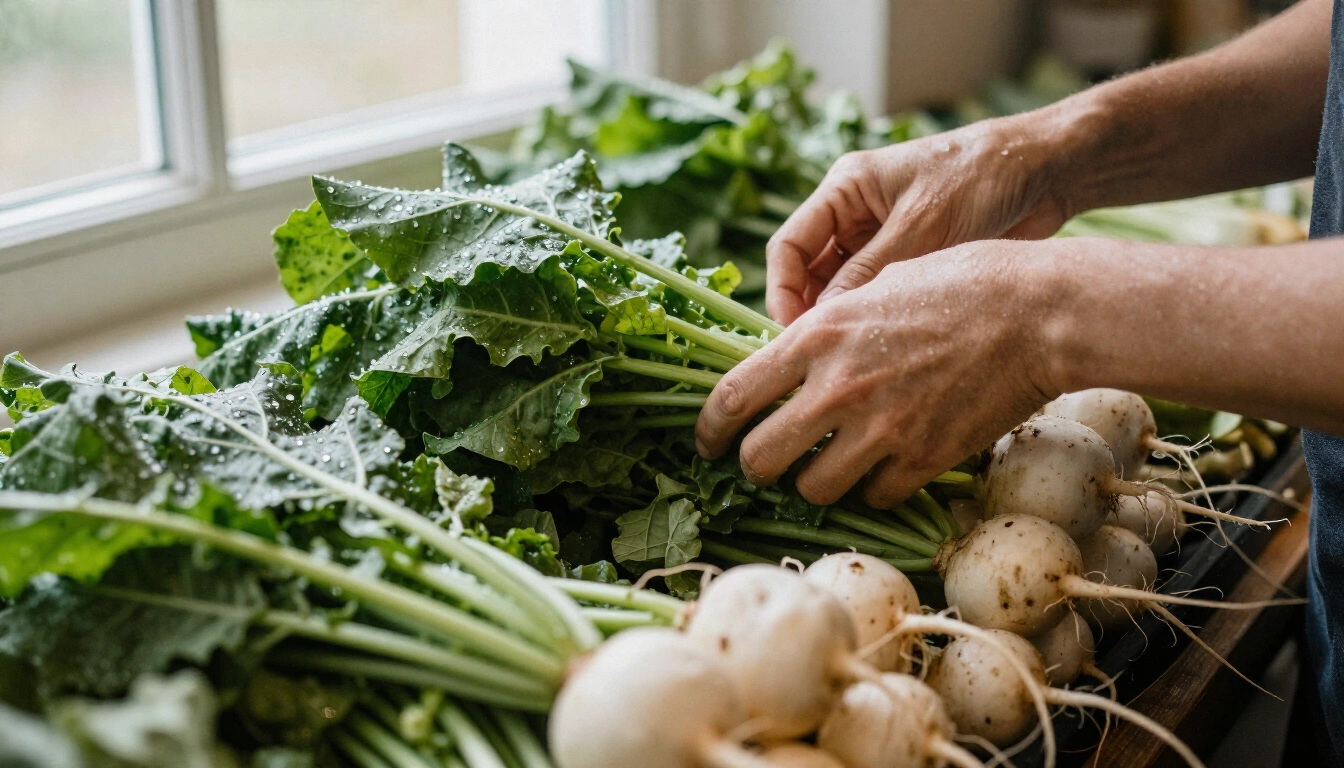
3am departure, on the shelf by 7am
Five mornings a week, every week. The gap between a crate leaving Flemington and landing on Crown Street is under four hours.
What is actually in season in Sydney
This is the table we buy from. It covers what New South Wales and the nearby growing regions supply well, not what is technically available somewhere in the country on any given day. An off month does not mean you cannot buy the item. It means we would not recommend paying peak money for it, because it is coming out of storage or off a truck from a very long way away. Peak means flavour and price are both at their best, which is usually the same six to ten week window.
| Produce | Summer | Autumn | Winter | Spring |
|---|---|---|---|---|
| Apples | Storage | Storage | Peak | Good |
| Asparagus | Peak | Off | Off | Off |
| Avocado (Hass) | Off | Off | Peak | Peak |
| Bananas | Good | Good | Good | Good |
| Basil | Good | Peak | Off | Off |
| Beetroot | Good | Good | Peak | Peak |
| Broccoli | Good | Off | Peak | Peak |
| Cauliflower | Good | Off | Peak | Peak |
| Cherries | Peak | Peak | Off | Off |
| Corn | Good | Peak | Off | Off |
| Cucumber | Peak | Peak | Good | Off |
| Fennel | Good | Off | Good | Peak |
| Figs | Off | Peak | Off | Off |
| Grapes | Good | Peak | Good | Off |
| Kale and silverbeet | Good | Good | Peak | Peak |
| Mandarins | Off | Off | Good | Peak |
| Mangoes | Peak | Peak | Off | Off |
| Navel oranges | Off | Off | Good | Peak |
| Peaches and nectarines | Peak | Peak | Off | Off |
| Pumpkin | Off | Good | Peak | Storage |
| Rhubarb | Peak | Good | Good | Good |
| Strawberries | Good | Good | Good | Peak |
| Tomatoes | Peak | Peak | Good | Off |
| Zucchini | Peak | Peak | Good | Off |
Two things the table will not tell you
First, a wet month can wipe out a peak entirely. That is what happened to Queensland tomatoes during the 2022 floods, and it happens on a smaller scale most summers without anyone reporting it. Second, variety matters as much as timing. A February tomato grown in a Victorian field beats a February tomato grown under glass, and both are sold under the same name at roughly the same price. Ask which one you are looking at. We will know, and if we do not, we will find out before you pay for it.
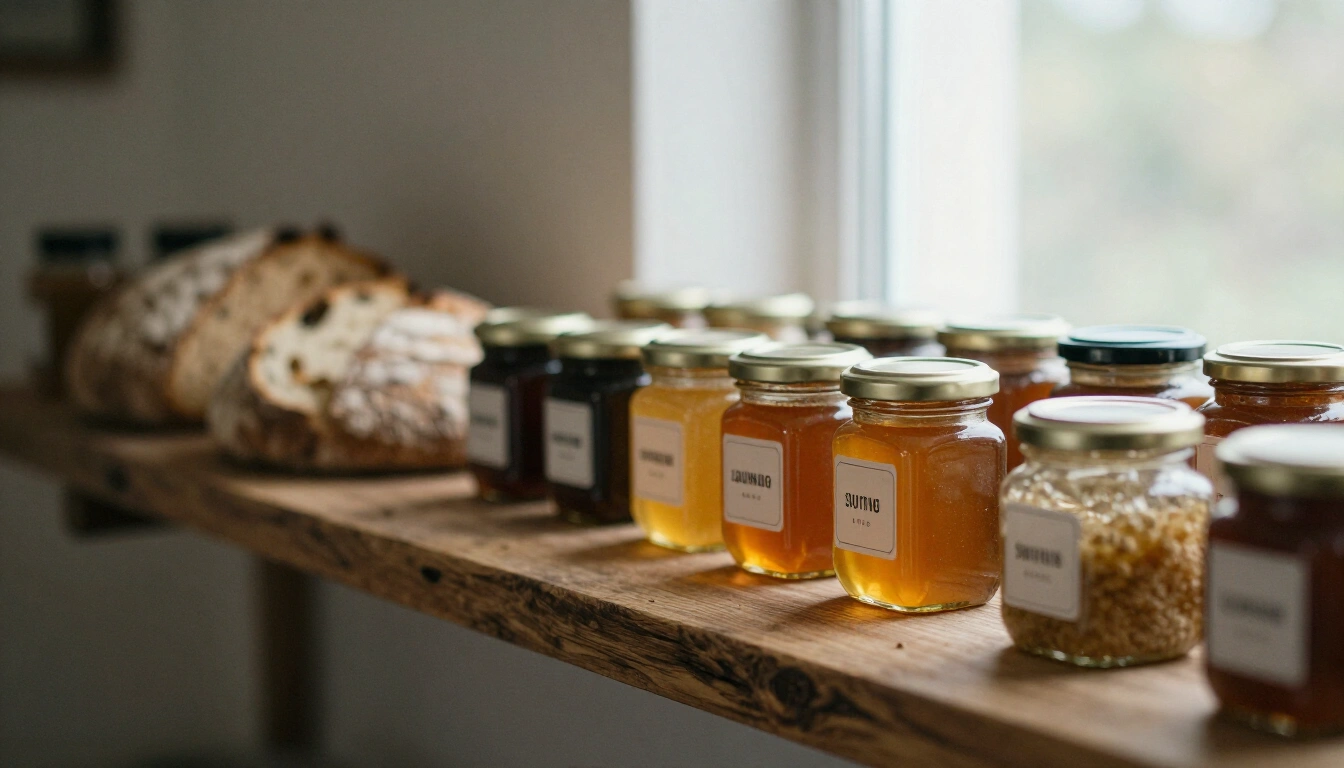
1,100 dry and deli lines
Around 300 of them come from Australian makers, weighted toward small producers in New South Wales, Victoria and Tasmania.
The pantry, and the people who fill it
A grocer lives or dies on fruit and vegetables, but the pantry is where people stop treating you as a top up shop. Around 1,100 of our 1,400 lines sit on dry shelves and in the deli cabinet. Almost every one of them was chosen because somebody on staff cooks with it at home.
Olive oil is where most pantries go wrong
Extra virgin olive oil is a fruit juice and it behaves like one. It has a harvest date, it degrades with light and heat, and it is at its best in the first twelve to eighteen months. Almost nothing on a supermarket shelf tells you when it was pressed.
We carry seven oils and every one shows a harvest year. Three are Australian, which matters more than people expect, because a southern hemisphere harvest lands in autumn and reaches shelves while northern hemisphere oil from the previous year is still being sold as new season.
Buy tins or dark glass. Keep the bottle in a cupboard, not beside the stove. Use the peppery oils raw where you can taste them and the mild ones for cooking, and stop saving the good bottle for an occasion that never arrives. Oil does not improve while it waits.
Cheese and smallgoods get cut, not pre packed
A wedge cut this morning and wrapped in waxed paper is a different product from the same cheese vacuum sealed six weeks ago. Vacuum packing stops a cheese breathing, and a washed rind or a young brie develops an ammonia edge inside the bag that no amount of resting will fix.
The counter carries about forty cheeses at a time. Roughly half are Australian, weighted toward small dairies in Victoria and Tasmania, and the rest are mostly French and Italian. Ask for a taste before you commit. Nobody minds, and a cheese that reads well on a label can still be wrong for what you are cooking on Saturday.
Cured meats work the same way. Sliced to order means you get the thickness you want, and thickness changes a jamon far more than most people expect.
Around 300 lines come from Australian makers
That number is deliberate rather than decorative. Small producers are harder to deal with than importers. Orders arrive late, batches vary, and a good year for one grower can mean no product at all the following season.
We take that on because the alternative is a shelf identical to every other shelf in the city. Honey from a Hawkesbury apiarist tastes like the Hawkesbury. Preserves from a Griffith family taste like the fruit that grew there. A national brand tastes like a specification document, which is both the point of a national brand and its limit.
Where a maker cannot supply consistently we say so on the shelf rather than quietly substituting. If the passata you bought in March is missing in April, it is because the batch sold out, not because we swapped in something cheaper and hoped you would not notice.
What we will not stock
A short list, and none of it is about being difficult.
Nothing that needs a health claim to justify its price. A product that is genuinely good can say what it is and what went into it.
No fresh produce flown in out of season purely for novelty. Air freighted berries in July cost four times what they should and taste like a compromise.
Nothing where we cannot find out who made it. Some import lines have three companies between the maker and us and no useful answer at the end of the chain. We would rather leave the space empty until we find someone who will tell us.
A pantry built this way is narrower than a supermarket aisle. If you want a particular brand of stock cube or a specific breakfast cereal, we probably do not have it and we are not going to pretend otherwise. Come to us for the twenty things that change a meal and buy the rest wherever is convenient.
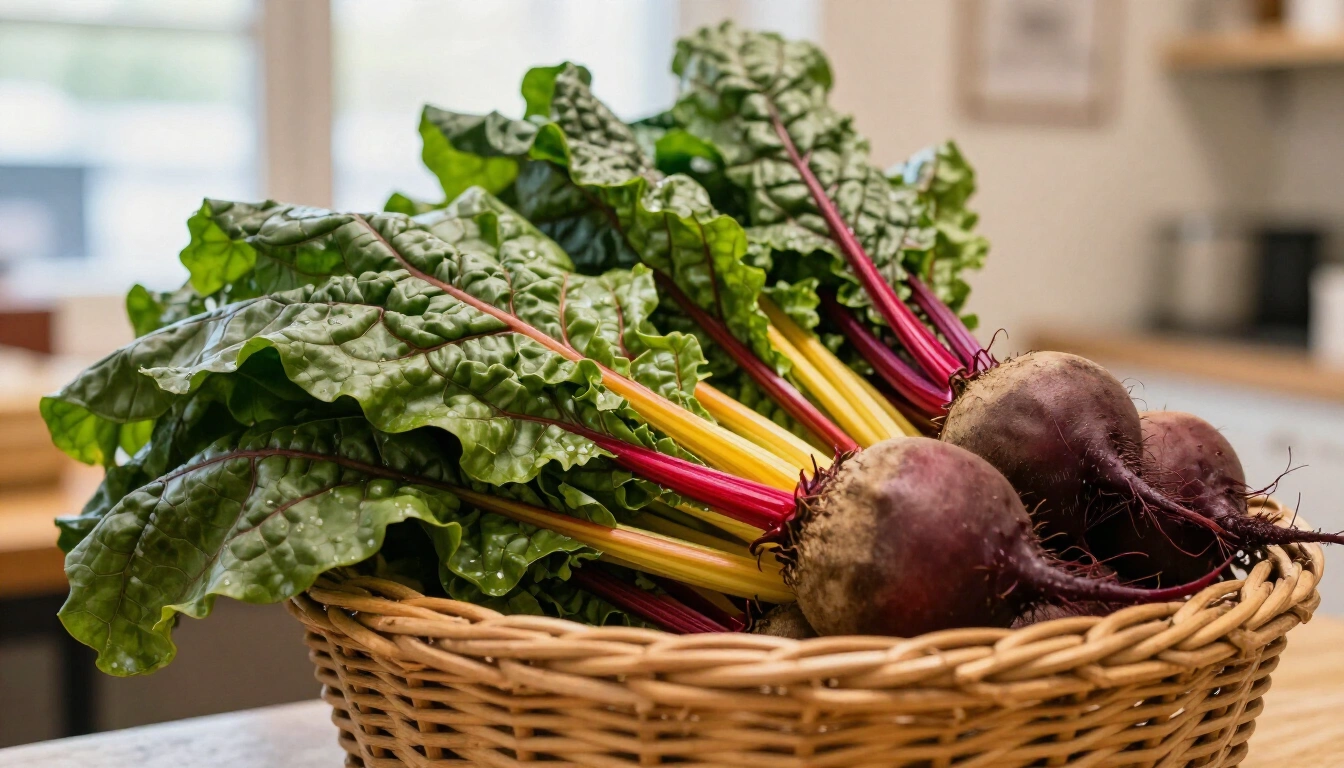
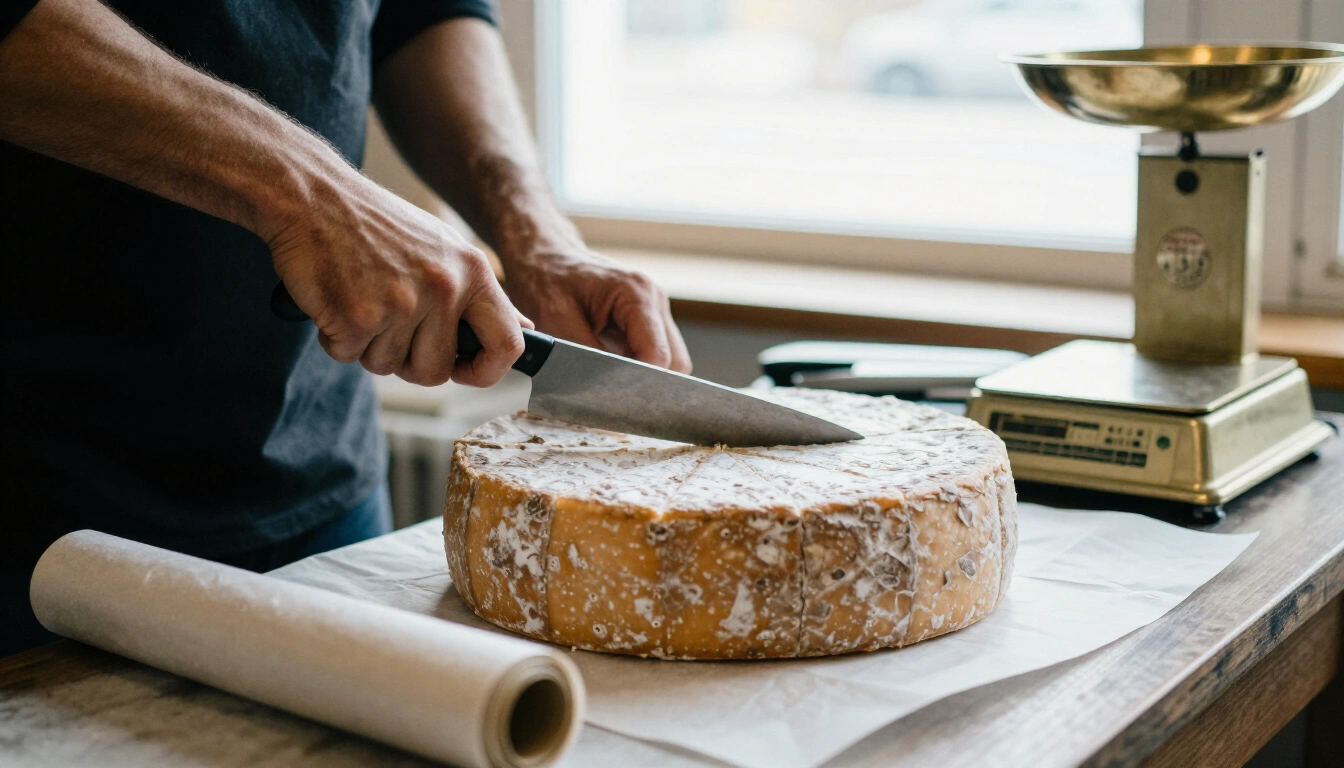
Six frames from an ordinary Tuesday on Crown Street
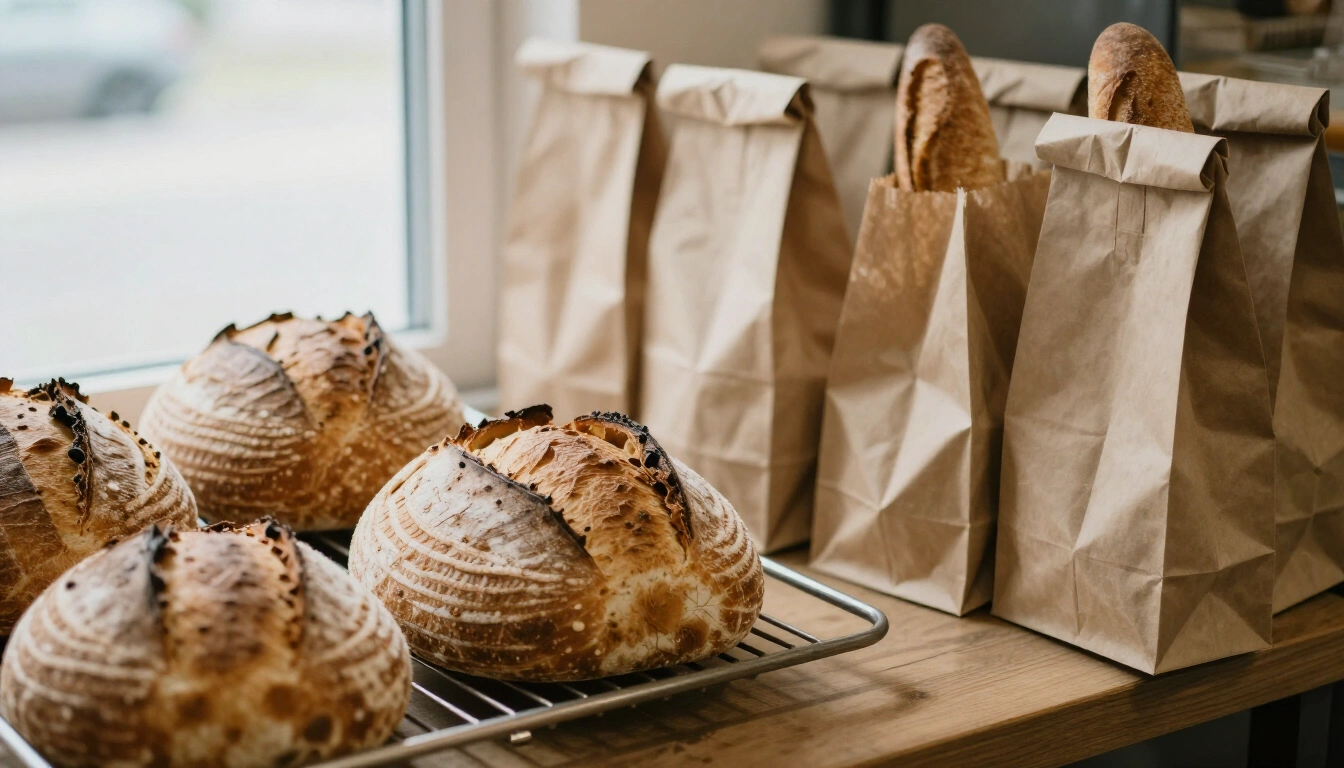
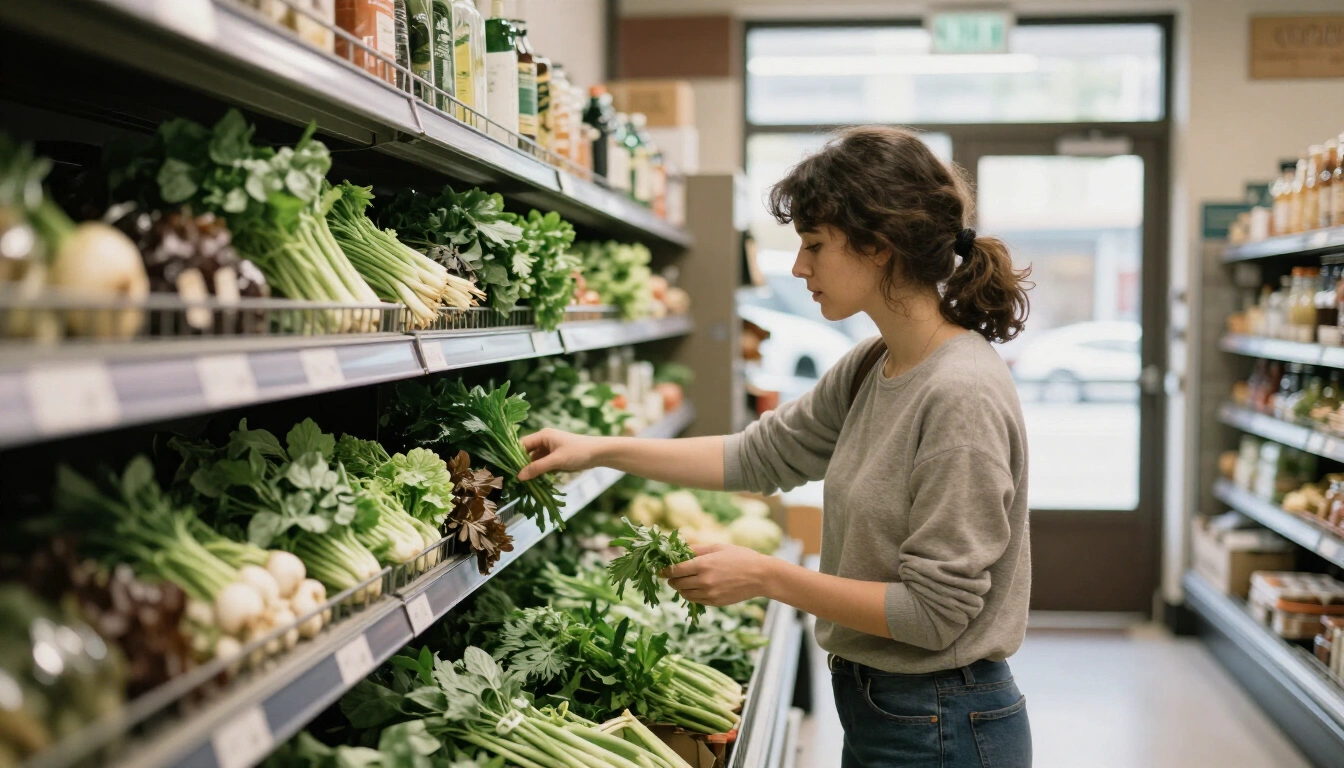
The shop, the counter, and the growers we buy from. Nothing here is a stock photograph of a farm in another country. If you want to see the real version, the door is open seven days from 7am and the market crates usually land while the coffee across the road is still being poured.
Delivery, pickup, and what actually happens to your order
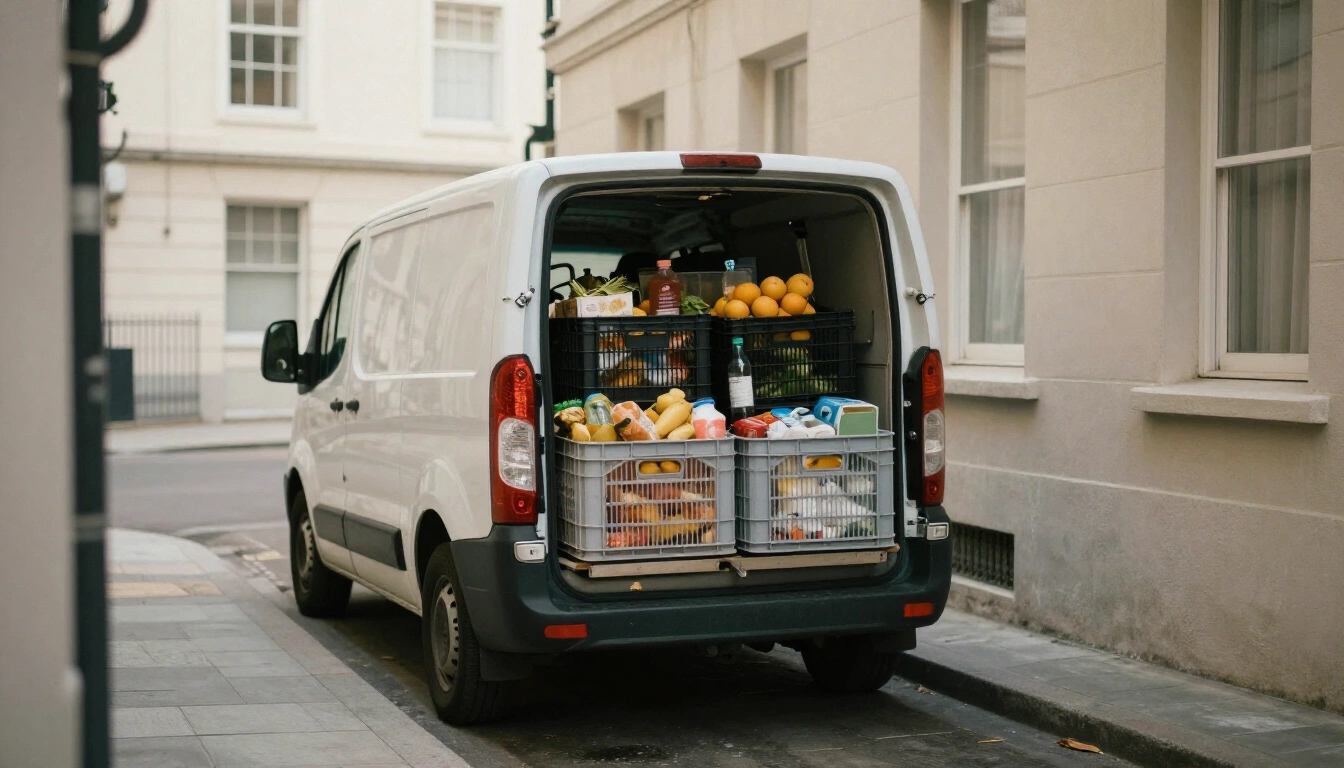
Online grocery delivery in Australia is mostly built around warehouses. A picker who has never cooked with the item pulls it from a shelf, a driver collects a run of forty orders, and the whole thing is optimised for the number of drops per hour. It works. It also explains why the avocado you asked for arrives rock hard.
We run it differently, and the difference is not technology. It is that the person packing your bag stood in front of the same crates at seven that morning.
The 11am cutoff exists for a reason
Everything ordered before 11am goes out that afternoon. Everything after 11am goes out the next day. There is no premium tier that jumps the queue, because the constraint is not money, it is the packing bench.
Between 11am and 1pm two people work through the morning’s orders while the shop is quiet. That window is roughly forty orders. Push the cutoff later and packing collides with the lunch rush, which means either the counter goes unstaffed or the bags get packed carelessly. Neither is a trade we want to make.
If you miss the cutoff and need something urgently, ring the shop. Sometimes there is room on the run and sometimes there is not. We will tell you honestly rather than take the order and hope.
How an order gets packed
Orders print in aisle sequence, which sounds trivial and is not. Packing in the order the shop is laid out means heavy items land in the bag first, produce goes on top, and nothing gets crushed by a bag of potatoes arriving late.
Anything ripening is chosen for when you will eat it. If you order four avocados on a Monday you get a spread: one ready that night, two for midweek, one still firm. Bananas the same. If you want them all ready at once, write it in the order notes and we will do exactly that.
Cold items go in last with a chilled brick, and anything from the deli counter is cut at packing time rather than in the morning. Cheese sitting cut in a fridge for five hours loses more than most people realise.
Where we deliver, and where we do not
The van runs Surry Hills, Darlinghurst, Redfern, Chippendale, Paddington, Woolloomooloo and the northern half of Waterloo. Deliveries land between 2pm and 6pm on weekdays and between 1pm and 5pm on Saturday.
We do not deliver to the lower north shore, the eastern beaches, or anywhere the van would spend more time in traffic than at doors. Plenty of businesses will quote you a delivery fee for a two hour round trip. The produce does not survive it in summer, so we say no instead.
Orders over $80 are free. Under that, delivery costs $9, which is roughly what the run costs us per drop once fuel, wages and the van are counted.
Substitutions: we ask first
Most grocery services substitute automatically and tell you afterwards. We send a message before the bag is packed and wait for an answer until 12.30pm.
The reason is simple. A substitution that makes sense to a picker often makes no sense in a kitchen. Swapping flat leaf parsley for curly ruins a salsa verde. Swapping a waxy potato for a floury one ruins a salad and improves a mash. Nobody looking at a shelf can make that call for you.
If we cannot reach you by 12.30pm, the item comes off the order and off the bill. You are never charged for something you did not choose.
Click and collect from the Crown Street counter
Pickup orders are ready from 3pm and hold until close. There is no separate collection point and no locker. You walk in, say your name, and someone hands you the bags from behind the counter.
It costs nothing at any order size, which makes it the sensible option for a $30 top up. It also means you can add something at the counter while you are there, which happens more often than not.
Same day delivery only works because the run is small. On the Thursday before a long weekend the slots fill by about 9.30am and there is nothing clever we can do about it. Order the day before if the date matters.
A morning at the market, start to shelf
Four minutes, filmed on an ordinary Wednesday. The van leaves Crown Street at 3am, the floor at Flemington is already trading, and by six the crates are back and being unpacked onto the display. If you have ever wondered why a bunch of coriander costs what it costs, the answer is mostly in here: the number of hands it passes through, the number of hours it spends in a truck, and how much of it does not make the cut.
Where it comes from, and what happens to what does not sell
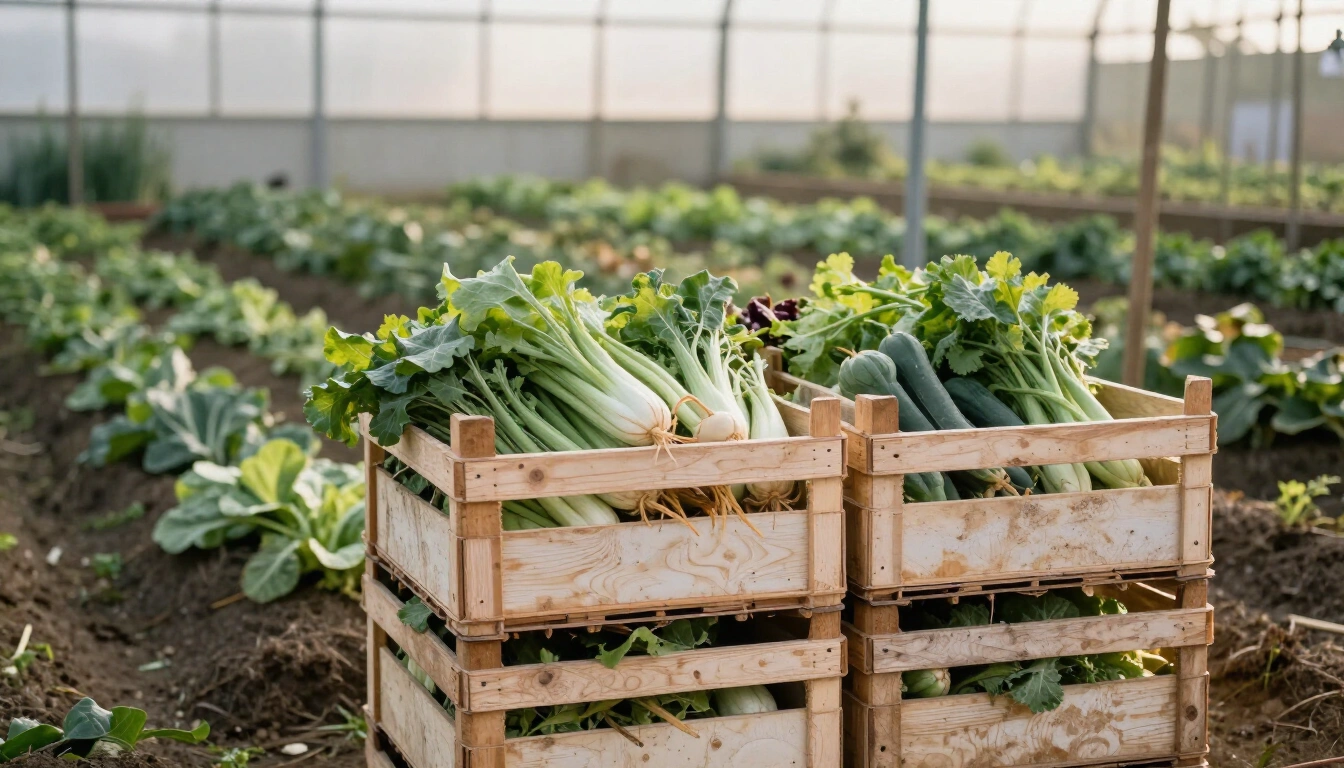
Every grocer says they support local growers. Very few will tell you what proportion of their stock that actually covers, because the honest number is usually small and the reasons are boring rather than sinister.
Here is ours, with the reasoning attached.
Direct from growers where the numbers work
About a quarter of our fruit and vegetables comes direct from growers, bypassing the market floor entirely. The rest goes through Flemington. That split is not laziness, it is arithmetic.
Direct buying works when a grower produces enough volume of one thing to justify a delivery, and when we can move that volume before it turns. Leaf, herbs, eggs and some stone fruit clear both tests. A single grower with six varieties of tomato and no truck does not, and pretending otherwise just means their fruit sits in a shed.
Where direct buying works, the grower keeps roughly fifteen to twenty percent more per kilo than they would through an agent. That is the whole point. It is not a marketing position, it is the difference between a small farm continuing and not.
Why we publish nothing about food miles
Food miles are a poor measure and we would rather not use a number that misleads people in our favour.
A tomato trucked from Bundaberg in an unheated field can carry a smaller footprint than one grown forty kilometres away in a heated glasshouse through winter. Transport is usually a small slice of the total. Growing method, water, and whether the crop got thrown out at the other end matter far more.
So we tell you where something was grown and leave you to weigh it. Every crate on the floor has a region on it, and if it does not, ask and we will check the docket.
Waste is a buying problem, not a bin problem
Around two percent of what we buy does not get sold. For a fresh produce business that is low, and it has almost nothing to do with what happens at the end of the week.
It comes from ordering less. A shop that orders thirty percent over demand will always have a waste problem, no matter how good its composting story is. Charitable collection and compost bins are worth doing, and they are the last ten percent of the answer rather than the first ninety.
What does not sell in good condition goes to OzHarvest twice a week. What is past that goes to a commercial composter in western Sydney. Trimmings from the veg prep bench go the same way. None of this is unusual and none of it makes up for buying badly.
Packaging: what we changed and what we did not
Produce goes into paper or into nothing. Bring a box and we will fill it. The crates the shop receives go back to the market on the next run and get used again, which is the oldest and least glamorous recycling system in the food chain.
Some things still come in plastic and will keep coming in plastic. Baby spinach lasts days longer in a sealed bag than loose, and swapping to paper would mean throwing out more spinach than the packaging saves. Cheese needs a barrier. Frozen goods need a barrier.
We would rather explain that than put a leaf on the window and hope nobody checks the fridge.
A quarter direct is not a heroic number and we are not going to dress it up. The market floor is where most of our produce comes from, and the growers behind it are real growers who are simply one step further away from the shop.
Straight answers, no fine print
What are the opening hours?
The shop is open seven days, 7am to 7pm Monday to Friday, 7am to 6pm Saturday and 8am to 5pm Sunday. Public holidays vary and are posted on the door and on the shop phone message the week before. The delivery van runs Monday to Saturday only.
How late can I order for same day delivery?
11am. Orders placed before then are packed between 11am and 1pm and delivered between 2pm and 6pm on weekdays, or 1pm and 5pm on Saturday. Anything after 11am goes out the following day. Slots are capped at roughly forty orders, and they fill early before public holidays.
Which suburbs do you deliver to?
Surry Hills, Darlinghurst, Redfern, Chippendale, Paddington, Woolloomooloo and the northern half of Waterloo. We do not deliver further because the van would spend more time in traffic than at doors, and produce does not survive that in a Sydney summer.
Is delivery free?
Free above $80. Below that it is $9, which is close to what a drop costs us once fuel, wages and the van are counted. Click and collect is free at any order size and is ready from 3pm.
What happens if something I ordered is out of stock?
We message you before the bag is packed and wait until 12.30pm for an answer. Nothing gets substituted automatically. If we cannot reach you, the item comes off the order and off the bill, so you are never charged for something you did not choose.
Can I ask for produce at a particular ripeness?
Yes, and it helps. Write it in the order notes. By default we spread ripeness across multiples so a bag of four avocados gives you one for tonight and one for the weekend. If you want them all ready at once, say so and that is what you will get.
Do you price match the supermarkets?
No. On bulk staples like brown onions, carrots and potatoes the major chains buy at a scale we cannot match, and we are usually a little dearer. On anything picked in the last three days, on cheese cut to order and on oil with a harvest date, the comparison runs the other way.
Where does your fruit and vegetables come from?
About a quarter comes direct from growers, mostly leaf, herbs, eggs and some stone fruit. The rest comes through the Sydney markets at Flemington, bought five mornings a week. Every crate on the floor carries a growing region, and if it does not, ask and we will check the docket.
Do you cater for restaurants or cafes?
On a small scale, yes. A handful of kitchens around Crown Street get a standing weekly order. We are not a wholesaler and we will say so if the volume is beyond what our buying can absorb without leaving the shop short.
Can I order by phone instead of online?
Yes. Ring during opening hours and someone will take it down. Phone orders follow the same 11am cutoff. Regulars often keep a standing list on file and simply ring to adjust it, which is faster than either of us typing.
Do you sell gift boxes or hampers?
Yes, built to order rather than pre packed. Tell us a budget and roughly who it is for, and we will put it together from what is good that week. Same day pickup if you order before 11am, otherwise next day.
What do you do with produce that does not sell?
Anything still in good condition goes to OzHarvest twice a week. What is past that, along with trimmings from the prep bench, goes to a commercial composter in western Sydney. The real answer is that we buy tight, so roughly two percent of stock is left at that stage.
Order before 11am. Eat it tonight.
Same day delivery across the inner east, free above $80. Or collect from the Crown Street counter any time after 3pm, seven days a week.

The Grocer Editorial Team
Written by the people who run the counter and the market van at 4/490 Crown Street, Surry Hills. Prices, cutoffs and delivery zones are checked against the roster and the buying sheet before this page is updated.
Published 29 August 2026. Reviewed monthly.